
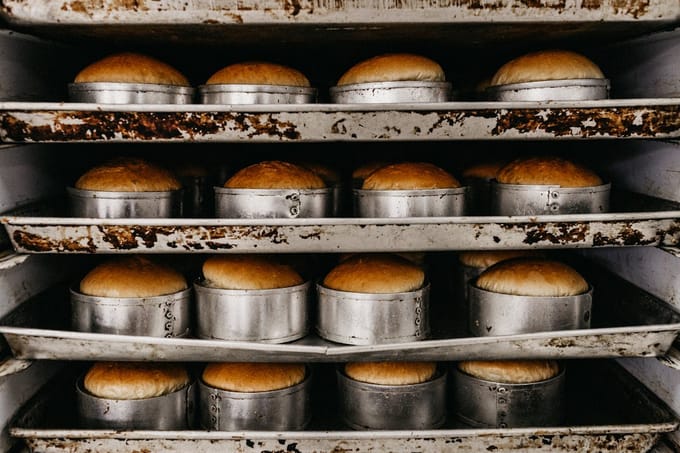
Investing in heavy-duty thermal equipment is no small decision. The right machine can drive production forward. The wrong one? It can stall growth, burn budget, and pile up wasted batches. With dozens of options and specifications on the market, narrowing down industrial ovens for sale requires a sharp eye, clear priorities, and a no-nonsense approach. Let’s break down the essential features that make an industrial oven worth the investment and what sets top-tier models apart in the field.
Consistent and Controllable Heating
At its core, an industrial oven must deliver even heat. No cold zones. No hotspots. Whether you’re processing food, curing coatings, or drying chemicals, consistency isn’t a luxury; it’s the baseline. Look for units with zoned temperature control, reliable sensors, and automatic correction settings. The best systems allow operators to program exact values and make real-time adjustments based on load variability.
Production Speed Without Compromise
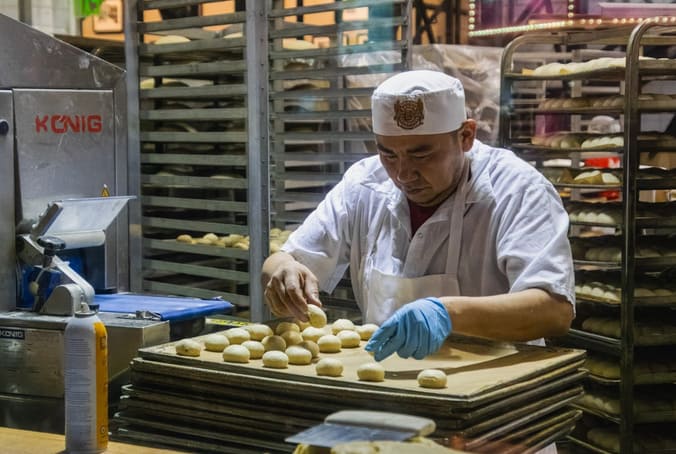
Speed is a factor, but not at the cost of accuracy. Faster throughput helps meet quotas, but only if quality stays intact. High-efficiency ovens often integrate conveyor systems, automatic loading, and heat recovery mechanisms. These functions reduce idle time and energy waste. You want machines that can keep up with demand while delivering consistent product integrity. According to industry research published by Baking & Snack, manufacturers who prioritize energy recovery and thermal efficiency see long-term cost savings without sacrificing performance.
Ease of Maintenance and Cleaning
Production lines don’t stop because a gasket wore out. Downtime is expensive. Maintenance shouldn’t require a magnifying glass and a PhD. Good ovens are built with accessibility in mind. Components should be easy to reach, clean, and replace. Stainless steel interiors, removable panels, and simple diagnostics save hours, sometimes days, of troubleshooting. Choosing equipment backed by clear documentation and responsive technical support helps reduce friction when things go sideways.
Safety Features That Protect the Process

Thermal equipment brings heat, and with that, potential hazards. Built-in safety mechanisms matter. Emergency stop buttons, thermal cut-offs, pressure relief valves, and clear alert systems should come standard. If the oven includes gas or high-voltage components, make sure it complies with regional and international safety codes.
Durability for the Long Haul
Durability isn’t about flashy marketing. It’s proven in facilities that operate six days a week, twelve hours a day. The oven you choose should stand up to daily wear without constant intervention. Consider frame construction, insulation materials, motor performance, and belt wear. Models manufactured by reliable, longstanding companies often show better lifespans and lower total cost of ownership over time. Look for user testimonials and industry case studies when evaluating these claims. Numbers talk louder than brochures. Industrial ovens play a key role in dozens of production environments, including food, pharmaceutical, electronics, textiles, and more.
But buying one shouldn’t feel like flipping a coin. The right model blends heating control, safety, speed, and durability without making operators jump through hoops. Before you buy, know what you need and who you’re buying from. Because in thermal processing, the smallest details can leave the …


